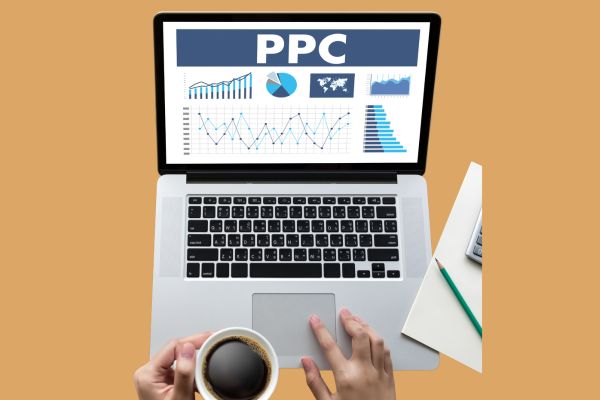
Pay-per-click advertising can place a business in front of customers who are actively searching for a solution. However, buying clicks alone does not create a profitable acquisition channel. Effective PPC management in Phoenix requires careful targeting, relevant messaging, reliable measurement, and consistent financial oversight.
A capable agency should understand how each advertising decision affects lead quality and customer acquisition costs. That means looking beyond impressions and click-through rates. For businesses in Phoenix, the real question is whether paid campaigns generate valuable inquiries and sales at a sustainable cost.
What PPC Management in Phoenix Should Include
Professional PPC management in Phoenix begins with understanding the company’s commercial priorities. Before launching advertisements, an agency should learn which services produce the strongest margins, where customers are located, what makes a lead qualified, and how quickly the sales team can respond.
This information shapes account structure. Campaigns should usually separate services, locations, audiences, or stages of customer intent when those differences require distinct budgets and messages. Placing unrelated services in one campaign can make it difficult to control spending or determine which offer produces valuable opportunities.
Keyword research should also consider intent rather than search volume alone. A high-volume phrase may attract people seeking free information, employment, or services the company does not provide. Negative keywords help prevent these irrelevant searches from consuming ad spend.
At Phoenix Leads Lab, campaign planning connects search behavior with business value before traffic is purchased. A thorough PPC management service should also include account setup, audience research, bid strategy, advertisement development, landing-page review, and dependable conversion tracking. Together, these elements create a measurable foundation for informed decisions.
How Phoenix PPC Management Controls Advertising Costs
Strong Phoenix PPC management focuses on qualified leads and revenue rather than simply reducing click costs. Effective PPC management in Phoenix allocates budgets according to campaign value and investigates whether poor results come from targeting, search terms, ad copy, offers, or landing pages.
Regular search-term reviews help identify irrelevant traffic, negative keywords, and valuable opportunities. Although automated bidding can process auction data efficiently, it still requires accurate goals and reliable conversion information. Combining automation with human oversight helps keep paid search management aligned with the company’s commercial priorities.
How Agencies Improve PPC Performance Over Time
Sustained PPC performance requires regular analysis because search behavior, competition, platform features, and customer demand can change. Effective campaign optimization examines search terms, devices, locations, ad messaging, audiences, schedules, and landing-page activity rather than relying only on bid adjustments.
PPC management in Phoenix should also consider local factors such as service radius, seasonal demand, travel distance, and neighborhood competition. Phoenix Leads Lab uses these insights alongside lead-quality data to refine targeting. Combining paid advertising with conversion rate optimization can further remove landing-page barriers and improve campaign outcomes.
What Transparent Reporting Should Reveal
An agency report should help decision-makers understand what happened, why it happened, and what should occur next. Effective PPC management in Phoenix connects advertising activity with meaningful business outcomes instead of relying on lengthy tables with little practical insight.
Core metrics may include impressions, clicks, cost per click, conversion rate, cost per qualified lead, lost impression share, and total ad spend. The right measures depend on the campaign objective. An e-commerce company may prioritize revenue and return on advertising spend, while a service business may focus on qualified calls, appointments, and closed opportunities.
Accurate conversion tracking is essential. Forms, phone calls, purchases, and bookings should be measured consistently, with duplicate or low-value actions excluded. Importing offline sales data can also reveal which keywords and campaigns produced customers rather than merely generating initial inquiries.
Clients should expect clear explanations when results change. If lead costs increase, the agency should examine competition, demand, traffic quality, website changes, and sales feedback. Transparent reporting acknowledges limitations and avoids treating every fluctuation as a definite trend, demonstrating accountability and supporting better budget decisions.
Choosing an Agency for Sustainable Campaign Growth
Before hiring an agency, businesses should ask how strategy, testing, reporting, and lead quality will be handled. A credible provider should be able to explain its reasoning without hiding behind platform terminology. It should also clarify account ownership, communication schedules, management fees, and how campaign access is protected.
Industry experience can be useful, but process matters just as much. An agency should show how it studies customer intent, validates tracking, prioritizes tests, and responds when results decline. Guarantees of instant top placement or a fixed number of leads deserve caution because auction conditions and customer behavior cannot be controlled completely.
Businesses should also determine whether the agency evaluates sales outcomes. If reports celebrate form submissions that the sales team considers irrelevant, the campaign may appear successful while wasting resources. Connecting advertising data with CRM stages provides a more accurate view of acquisition quality.
The best working relationship involves shared information. Agencies need feedback about lead relevance, close rates, service capacity, and changing priorities. In return, clients should receive clear recommendations supported by evidence. Businesses in Phoenix seeking more predictable paid acquisition can benefit from PPC management in Phoenix built around careful measurement, qualified leads, and responsible long-term growth.
Frequently Asked Questions
1. What does PPC management include?
Effective PPC management in Phoenix includes keyword research, audience targeting, bidding, ad development, landing-page alignment, conversion tracking, and ongoing analysis focused on qualified customer acquisition.
2. What should businesses expect from a PPC agency?
A qualified agency should provide clear reporting, explain strategic decisions, monitor lead quality, and connect campaign outcomes with meaningful business objectives and revenue indicators consistently.
3. How should a PPC budget be determined?
The appropriate budget depends on competition, search volume, margins, location, and goals, so agencies should estimate opportunity before carefully recommending monthly ad spend levels.
4. How quickly can PPC campaigns produce results?
Campaigns can generate traffic quickly, but reliable PPC performance insights require sufficient data, accurate measurement, and enough time to distinguish trends from short-term fluctuations properly.
5. How does Phoenix Leads Lab approach PPC campaigns?
Phoenix Leads Lab evaluates search intent, campaign structure, lead quality, and financial outcomes to guide practical improvements instead of chasing clicks without commercial value alone.
6. Why do landing pages affect PPC results?
Landing pages influence results because clear messaging, strong relevance, fast loading, and simple actions help qualified visitors move forward with less confusion or hesitation online.